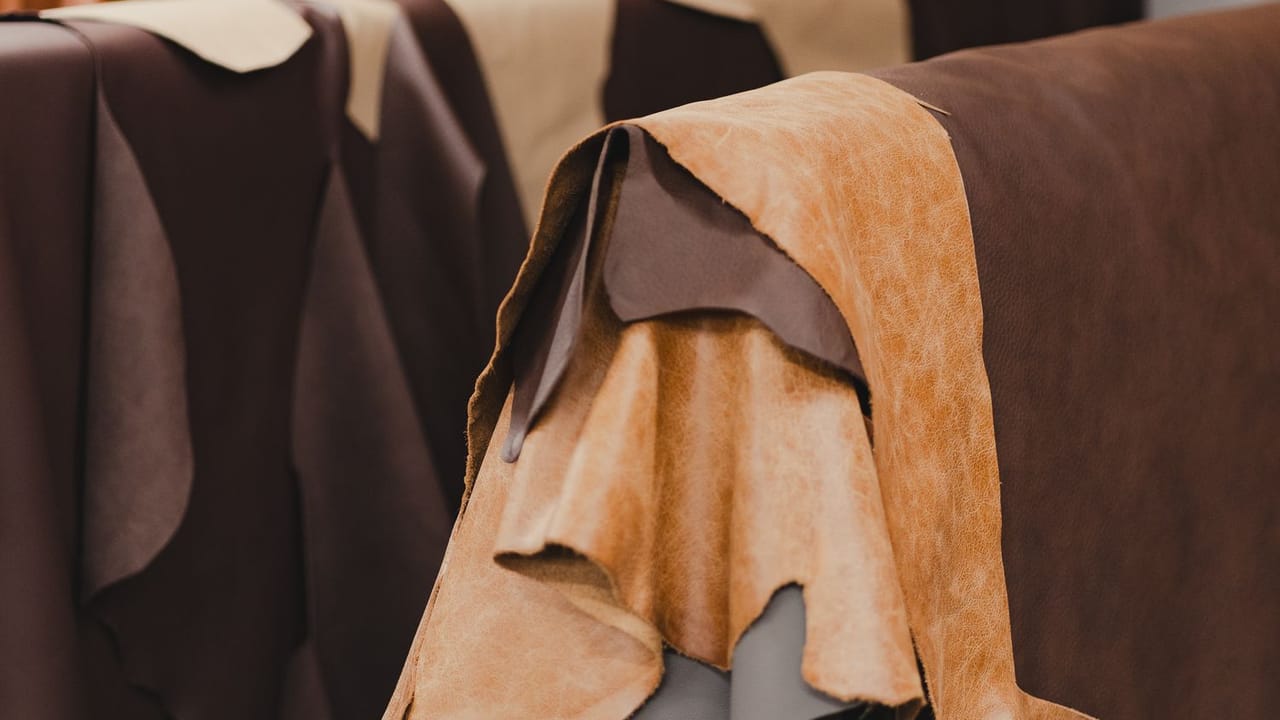
The leather decides how a product looks on day one, how it wears after a year, and what it costs to make. Here is what each common leather is, what it is good for, and how to match it to the product you have in mind.
Start with how the product will be used
Before picking a leather by name, answer three questions about the product.
- Does it need to hold a shape? A structured handbag or a card holder needs a firm leather. A hobo bag needs one that drapes.
- How much wear will it take? A wallet lives in a pocket and rubs against keys. A clutch does not.
- Will it carry a logo or a name? Smooth, firm leathers take a crisp deboss. Heavily textured ones suit foil or a metal plate.
Ten leathers, in plain terms
All of these are bovine leathers. The differences come from which layer of the hide is used and how the surface is finished.
-
Full-grain
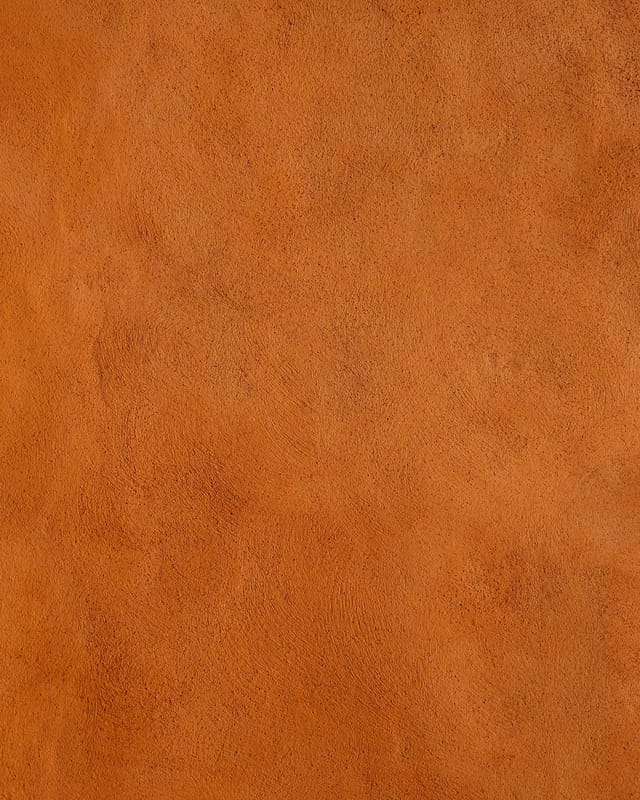
The top layer of the hide with its natural surface left intact. It is the strongest cut, it shows small natural marks, and it gets better looking with use.
- Best for
- Work bags, totes, wallets and anything meant to last for years.
- Keep in mind
- Natural marks vary from hide to hide, so two pieces never look identical.
-
Top-grain
The same top layer, lightly sanded and finished so the surface and colour are even from piece to piece.
- Best for
- Structured handbags, wallets and large runs where every piece must match.
- Keep in mind
- It ages less visibly than full-grain.
-
Saffiano
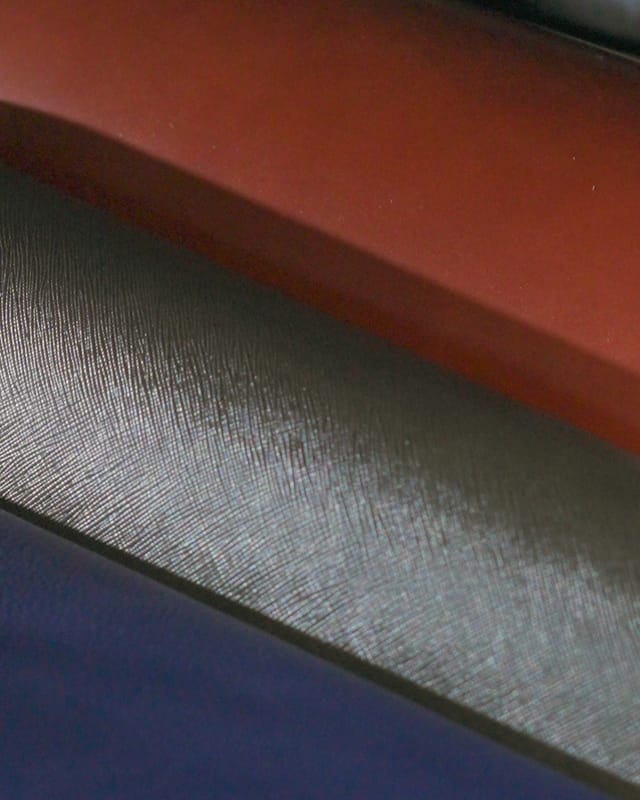
Leather pressed with a fine cross-hatch pattern and sealed with a protective finish. It is firm and shrugs off scratches and water.
- Best for
- Structured bags, wallets, card holders and passport wallets.
- Keep in mind
- It is stiff, so it does not suit soft, slouchy shapes.
-
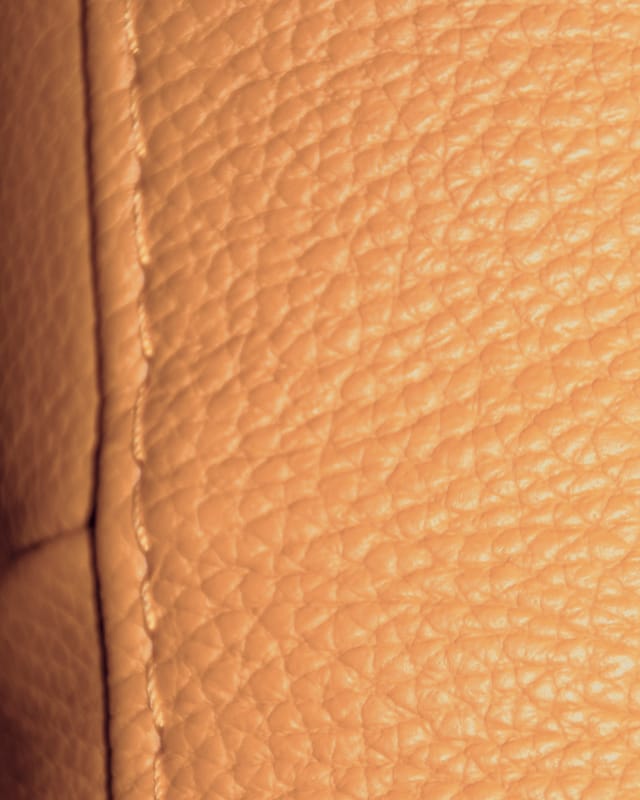
Pebbled
Leather with a raised, rounded grain. It is soft in the hand and hides everyday scuffs well.
- Best for
- Totes, crossbody bags, slings and travel pouches.
- Keep in mind
- A deep texture softens fine debossed logos, so foil or a metal plate often reads better.
-
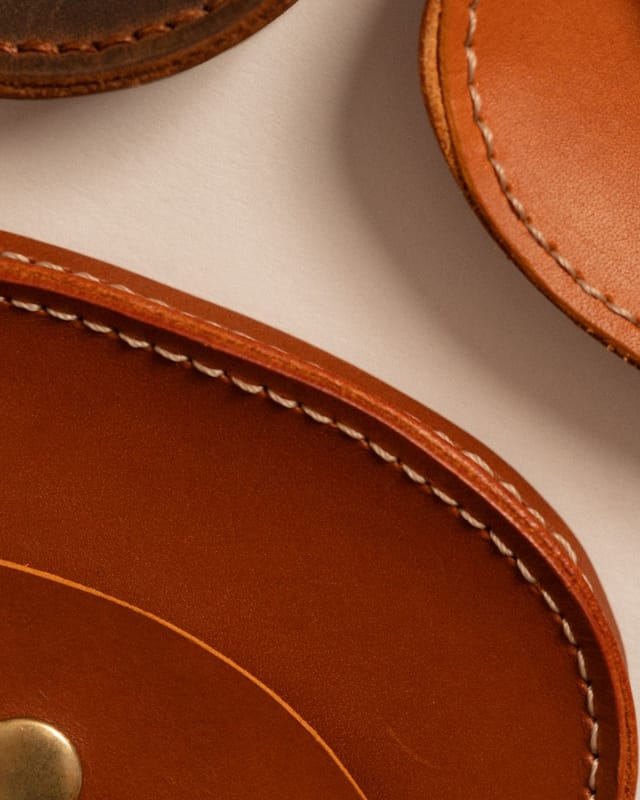
Vegetable-tanned
Leather tanned with plant extracts. It is firm, takes a sharp deboss, and darkens to a warm tone over time.
- Best for
- Card holders, slim wallets, straps and gifts carrying a name or logo.
- Keep in mind
- It marks with water at first and takes longer to produce.
-
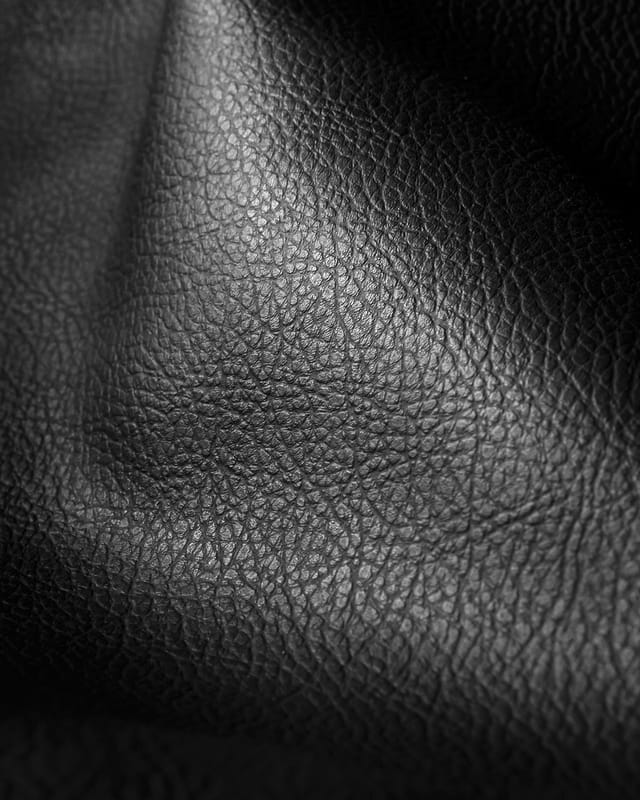
Nappa
A soft, smooth leather that drapes easily and feels light.
- Best for
- Hobo and shoulder bags, pouches and linings.
- Keep in mind
- It scratches more easily than firmer leathers.
-
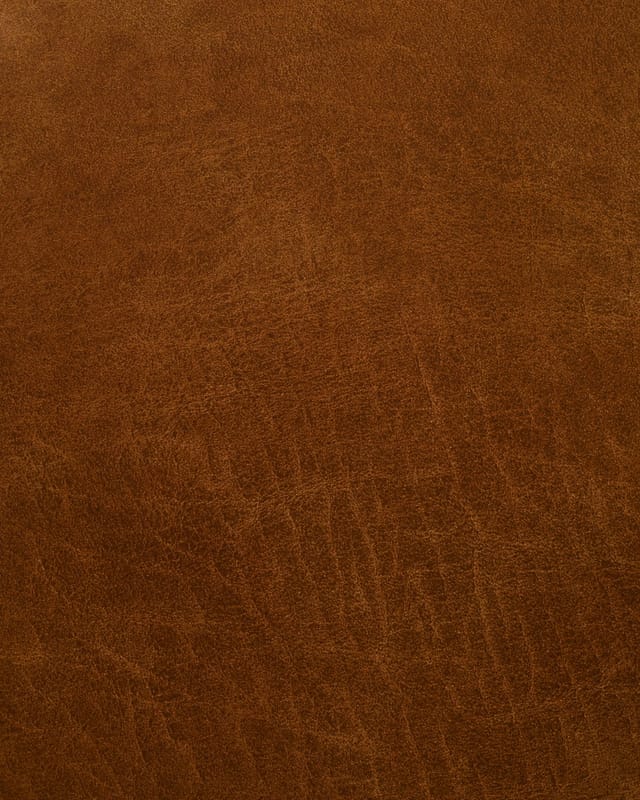
Nubuck
Top-grain leather sanded on the outer side to a fine velvet surface. It is stronger than suede.
- Best for
- Bags and trims where a matt, soft look is wanted.
- Keep in mind
- It shows marks and needs a protective treatment.
-
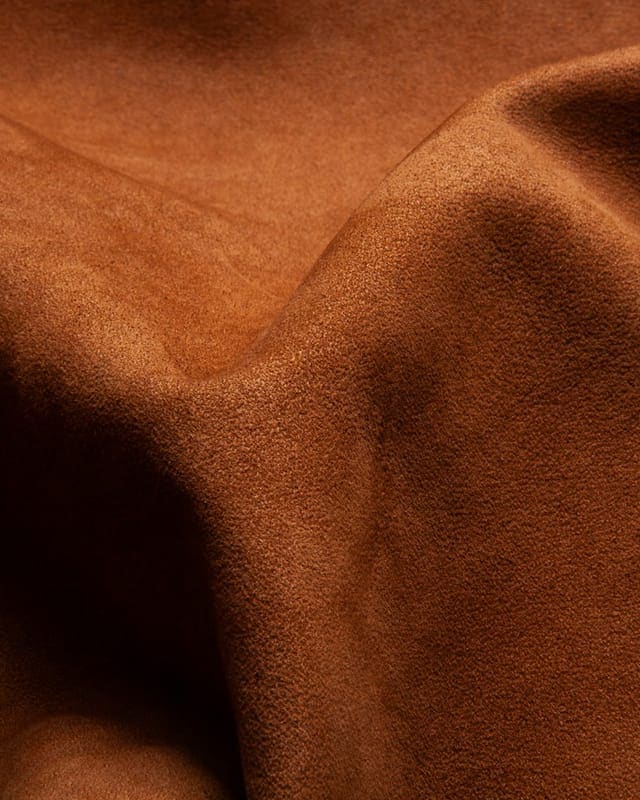
Suede
The inner side of the hide, brushed to a soft nap. It is light and flexible.
- Best for
- Soft bags, linings and contrast panels.
- Keep in mind
- It is not the right choice for pieces that live in a pocket.
-
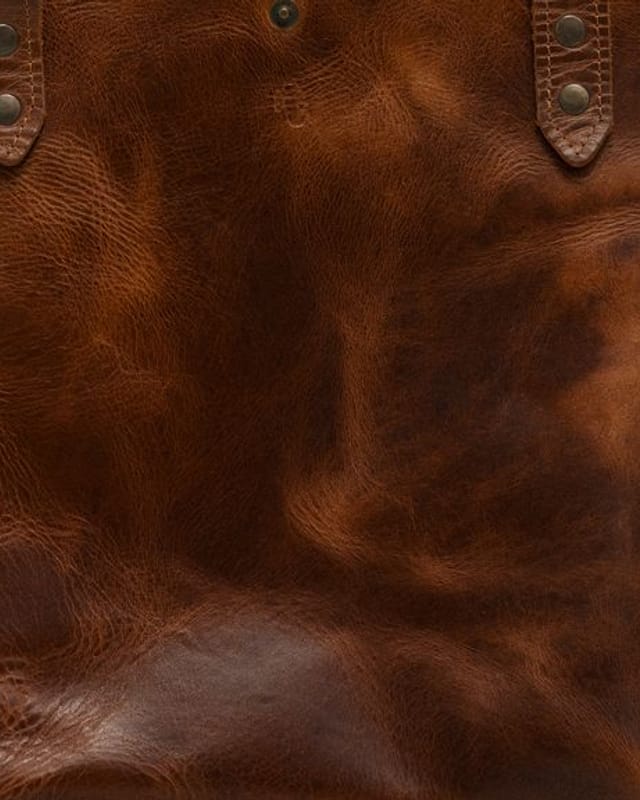
Pull-up
Leather finished with oils and waxes. It lightens where it bends, which gives a worn-in look from the first day.
- Best for
- Messenger bags, totes and travel kits.
- Keep in mind
- Colour shifts with handling, which some buyers love and some do not.
-
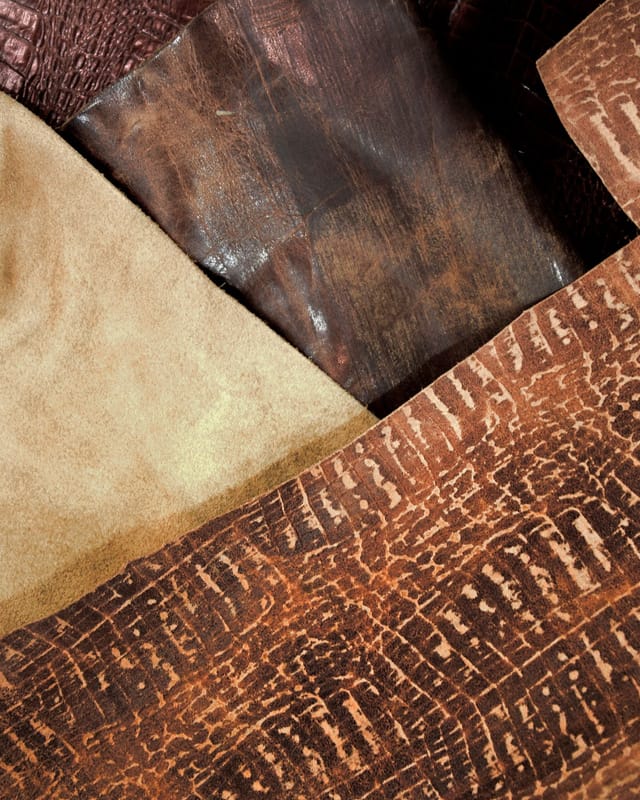
Embossed prints
Bovine leather pressed with a pattern such as croc or lizard.
- Best for
- Handbags, wallets and accent panels.
- Keep in mind
- The pattern repeat has to be planned into the cutting.
From smooth to textured
Texture changes how a product looks and how it wears. Smooth leathers look refined and show scratches sooner. Textured leathers hide wear and feel more relaxed.
- Top-grain
- Nappa
- Vegetable-tanned
- Full-grain
- Saffiano
- Pebbled
- Embossed prints
SmoothestMost textured
If you have Togo, Epsom or Swift in mind
Buyers often ask for these by name. They are the names Hermès uses for three of its calf leathers, and they have become shorthand for a look.
- Togo is a soft, pebbled calf. Ask for a pebbled leather with a fine, raised grain.
- Epsom is a pressed grain that is light and rigid. Saffiano, or a top-grain with a fine embossed grain, gives a similar feel.
- Swift is a smooth, soft calf. A smooth top-grain or a nappa is the closest match.
We can match the grain, colour and feel in bovine leather from our partner tannery. It will be a similar leather and not the same article, and we say so on the spec. Croc, lizard and ostrich looks are made as embossed prints on bovine leather, not in exotic skins.
Leather by product
Use this as a starting point. Most products can be made in several leathers, and the right one depends on your price point and the look you want.
| Product | Leathers that suit it | Why |
|---|---|---|
| Totes and shoppers | Pebbled, full-grain, pull-up | Soft enough to carry comfortably, and scuffs do not show. |
| Structured and top handle bags | Saffiano, top-grain, embossed prints | Firm leathers hold the shape and give an even finish. |
| Shoulder, hobo and bucket bags | Nappa, pebbled, suede | These shapes need leather that drapes. |
| Crossbody and sling bags | Pebbled, Saffiano, top-grain | Light, and resistant to daily rubbing against clothes. |
| Messenger and work bags | Full-grain, pull-up, top-grain | Hard-wearing leathers that look better with age. |
| Bifold and long wallets | Saffiano, top-grain, full-grain | Thin, firm leathers that survive a pocket. |
| Card holders | Saffiano, vegetable-tanned, full-grain | Firm leathers keep slim pieces flat and give clean edges. |
| Passport wallets | Saffiano, pebbled, top-grain | Travel is rough on surfaces, so scratch resistance matters. |
| Travel kits and pouches | Pebbled, pull-up, Saffiano | Easy to wipe clean, and usually lined. |
| Gifts with a name or logo | Vegetable-tanned, full-grain, top-grain | Smooth, firm leathers take the sharpest deboss. |
Three things that matter as much as the leather
Thickness
Wallets and card holders are made from thinner leather than bags, and the edges are skived thinner still so folds sit flat. The same leather can feel like a different material at a different thickness, so it is set in the spec before sampling.
Lining and edges
A soft leather with a firm lining can hold a shape. A firm leather with painted edges looks sharper than the same leather with turned edges. These choices change the result as much as the hide does.
The sample
Photos and swatches only go so far. A sample in the actual leather shows how it folds, how the logo sits and how the colour reads in daylight. Nothing should go into production before you have held one.
How we help you choose
Tell us the product, your price point and the look you want. We suggest two or three leathers from our partner tannery, send what we can show, and make your sample in the one you pick. See what else you can specify, or send us your brief.